

The Quiet Requests That Say Everything
In a countryside bed and breakfast, the most revealing moments are rarely grand gestures. They are the whispered enquiries at the foot of the stairs, the apologetic knock on the kitchen door, the guest who lingers by the radiator. A request for an extra blanket is seldom just about temperature. It is about feeling safe in an unfamiliar room. A query about the kettle is really a question about whether they are allowed to make themselves at home. Hospitality, at its best, is a form of listening — not just to words, but to pauses. When a guest asks for decaffeinated tea, they may also be saying they are anxious about sleeping. Our job is not to solve every unspoken worry, but to notice it. A torch by the door. A note about the path across the fields. A flask of hot water for a late arrival. These small acts say: you are welcome, and you are safe here.
Comfort Is Built From Small, Predictable Things
Guests rarely remember the thread count of the sheets. They remember whether the milk was fresh, whether the teapot poured without dripping, whether the bedside lamp was bright enough to read by but not so harsh that it woke their partner. Comfort in a B&B is cumulative, assembled from dozens of tiny decisions made before anyone arrives. Over the years, we have refined a list of quiet comforts that cost very little but are mentioned again and again:
- Fresh milk in a small jug, with a note saying where to find more.
- A proper teapot and a cosy, because a mug of tea made with a bag in a cup never tastes the same.
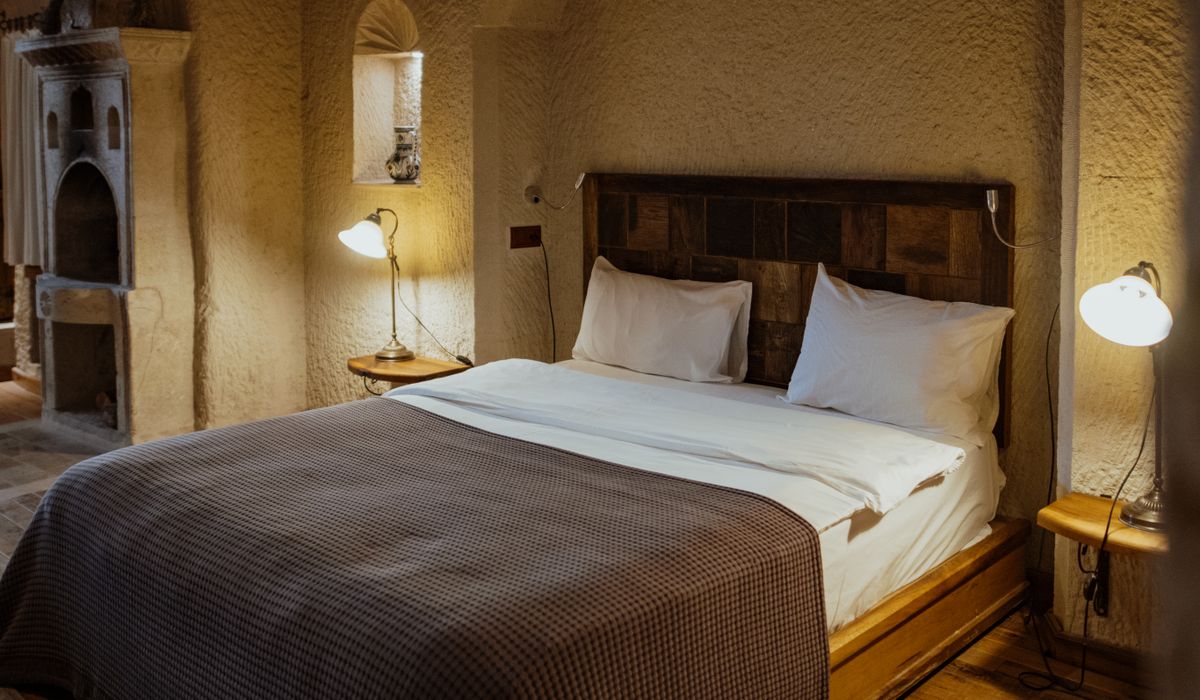
- Decent lighting by the bed and a soft lamp in the corner, so nobody chooses between darkness and a harsh glare.
- Hooks on the back of the door and a chair for clothes that need somewhere to go.
- A local walking map left open on the landing, with a few routes marked in pencil.
- Blackout curtains for summer mornings, and a hot water bottle in the airing cupboard for chilly ones.
None of this is glamorous, but it is the difference between a room that functions and one that feels cared for.
Kindness Shows Up at the Breakfast Table
Breakfast is where hospitality becomes visible. It is also where quiet negotiations take place. A guest mentions, almost in passing, that they don't eat gluten. Another asks if the sausages are local, not because they are fussy but because they care where their food comes from. A third sits down with a book and clearly hopes not to be drawn into conversation. Reading these cues is an art we are still learning.
The practical lessons are simple. Ask about dietary needs when booking, and again on arrival, because people forget and then feel awkward. Keep a separate toaster for gluten-free bread. Offer a vegetarian cooked breakfast that is more than eggs and tomatoes. Learn to make a proper cafetière, and keep a pot of good ground coffee warm rather than stewed. But the deeper lesson is this: kindness at breakfast is about giving people permission to be themselves. Some want a long chat about the best route to the coast. Others want to be left alone with the crossword. Both are welcome. Both are right.
When the Weather Has Other Ideas
British weather is a reliable teacher of humility. A guest plans a day of walking and wakes to horizontal rain. Another arrives soaked through after a wrong turn on a bridleway. In these moments, the quality of a B&B is measured not by its decor but by its flexibility. Do you have a drying room, or at least a radiator and a clothes horse? Can you lend a pair of wellingtons or an umbrella? Will you make a fresh pot of tea at four o'clock for someone who has just squelched in from the moor?
We keep a battered chest by the back door filled with umbrellas, walking poles, and spare socks. We check the forecast and leave a note on the hall table: "Rain due at two — the lanes will be muddy. The pub has a fire lit." It tells a guest we are paying attention. When plans go wrong, the kindest response is rarely an apology alone. It is a practical alternative. A flask of soup. A lift to the station. A willingness to shift breakfast time because the fog delayed their journey. Guests remember how you handled the unplanned moment far longer than the planned one.
What Guests Teach Us Without Meaning To
After years of changing sheets and washing up, we have come to see that guests are our best teachers. They teach us that comfort is not about luxury; it is about ease. They teach us that kindness is not about grand declarations; it is about small, consistent acts of attention. A bedside light that works. A breakfast that arrives when they are hungry. A quiet word when they seem worried. A door left unlocked when they return late from a meal.
They also teach us that hospitality is a two-way street. Guests who ask for little often give the most — a thank-you note on the pillow, a jar of homemade jam, a recommendation to a friend. The quiet conversations in the hallway, the shared laughter over a dropped slice of toast, the moment a shy child asks for more marmalade: these are the rewards no review score can capture. We do not always get it right. We forget the decaf. We run out of milk. We misjudge whether a guest wants company. But the lesson is always the same: pay attention, be practical, and assume good faith. In a countryside B&B, comfort and kindness are not amenities. They are the whole point.






John Doe
14 January, 2022Having no content in post should have adverse..
Chauffina Carr
10 April, 2022We use these tests all time! Killer stuff!
Jim Séchen
16 July, 2022Thanks for all the comments, everyone!