

Set the Scene Before They Even Ring the Bell
Check-in begins long before your guests reach the doorstep. A good arrival is really the last ten minutes of their journey, and you can shape those ten minutes with a little forethought. If they have been driving for three hours, they will be stiff, slightly fractious and desperate for a loo and a cup of tea. If they have come off a train with heavy cases, they will be hot and wondering whether the walk from the station was really only eight minutes.
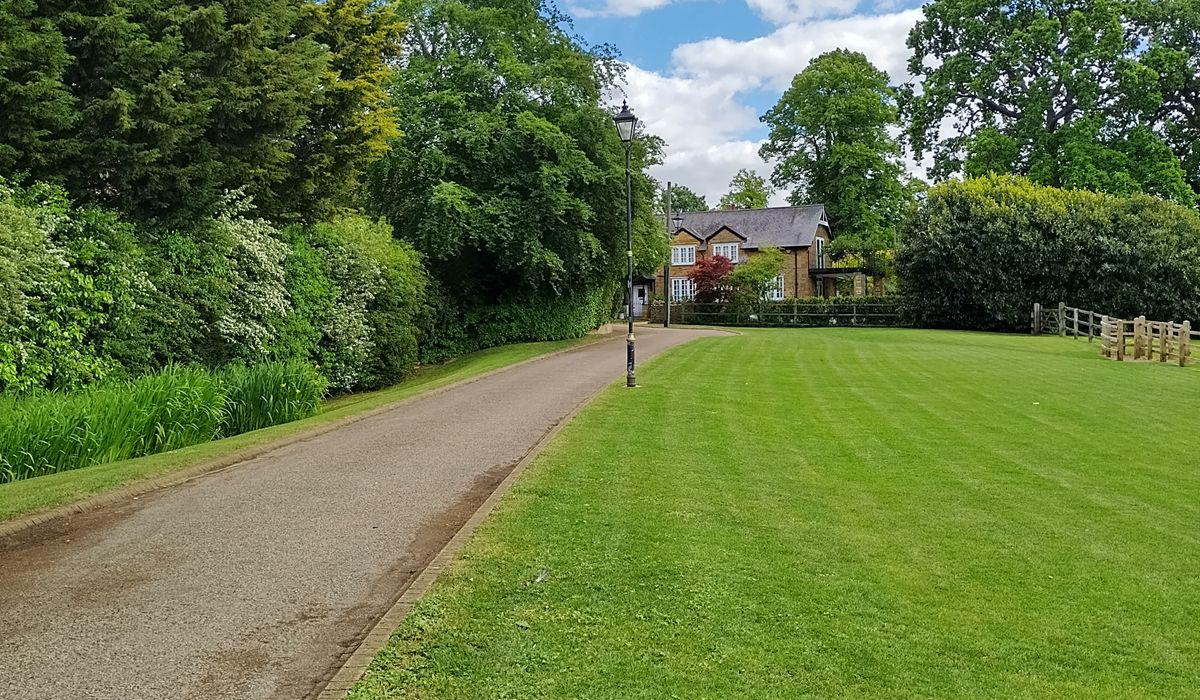
So think about the approach. Is your sign visible from the road, or does it disappear behind the hedge in summer? Is there a parking space with their name on it, or at least a note on the gate saying where to leave the car? A small chalkboard by the door reading "Welcome, the Hartleys — come straight in" costs nothing and lands like a warm handshake. Put the porch light on if they are arriving after four, and clear the path of wet leaves and wheely bins. Guests notice the small things first, and they decide in about eight seconds whether they have chosen well.
Greet Them by Name and Mean It
When the door opens, lead with their name. Not "Hello there" or "Are you checking in?" — but "Mrs Hartley, lovely to see you. I'm Ellen." It sounds simple, and it is, but it is the single most personal thing you can do at the threshold. Write the names on your arrivals sheet in large letters so you can glance at it through the glass before you open up.
Then give them a moment. Do not launch straight into the rules of the house or the breakfast timings while they are still standing on the mat with a suitcase in one hand. Take the bags if they will let you. Ask about the journey, and actually listen to the answer. If they mention the traffic on the A303 or a cancelled connection, you have your opening for the rest of the conversation.
- Step back from the doorway so they can come in properly.
- Offer a seat in the hall or lounge if they look done in.
- Keep the welcome short — thirty seconds of warmth beats three minutes of information.
Hand Over a Map With Your Own Scrawl on It
A printed leaflet is fine. A map you have annotated yourself is memorable. Pick up a local Ordnance Survey or town map — whichever suits your area — and mark it up with a pen before they arrive. Circle the pub you actually rate for Sunday lunch, not the one with the biggest car park. Draw an arrow to the footpath that leads to the viewpoint. Note the bakery that sells out by half nine. Add the post office, the cashpoint and the nearest pharmacy.
Keep a stack of these prepared in a folder, and hand one over with a couple of sentences: "The blue circle is where I'd eat tonight if it were me. The green line is a flat forty-minute walk if you fancy it before dinner." Guests who arrive with plans made feel settled instantly. Guests who arrive with a leaflet about a museum that closed two years ago feel vaguely let down.
Put the Kettle On
There is no hospitality gesture more British, or more effective, than a proper cup of tea on arrival. If you can offer it, do. A pot of fresh tea, a jug of cold milk rather than those little plastic pods, a slice of homemade flapjack or shortbread, and a couple of biscuits on a plate. Sit them in the lounge or the garden, whichever suits the weather.
If you cannot manage a full tea service, at least make sure the hospitality tray in the room is genuinely good. That means:
- Fresh milk in a small thermos or jug in the mini-fridge, not UHT sachets.
- A decent selection of tea — English breakfast, Earl Grey, peppermint, and a good decaf.
- Real coffee, or a cafetière if you have one to spare.
- A couple of local biscuits or a slice of cake wrapped in greaseproof paper.
These are the details guests mention in reviews, long after they have forgotten the thread count of the sheets.
A Two-Minute Tour Beats a Welcome Folder
Walk them to the room yourself rather than pointing up the stairs. On the way, cover the essentials in a brisk, friendly way: where breakfast is served, what time it runs, how the front door works after dark, and where to find you if something goes wrong. In the room, show them the three things that actually cause late-night phone calls: the shower controls, the heating or thermostat, and the Wi-Fi password written on a card by the bed.
Do not read out a list of house rules. Mention the one or two that matter — quiet hours, no shoes on the carpet, where to leave wet walking gear — and let the rest live in a short, well-typed sheet on the desk. A tour should take two minutes, not twenty. Give them the information they need, then give them their privacy.
End With a Question, Not a Speech
Before you leave them to it, ask one open question: "Is there anything you're hoping to do while you're here?" Then be quiet and listen. You will learn whether they want a quiet dinner, a beach at low tide, a taxi number or a babysitter, and you can solve it on the spot or before breakfast tomorrow.
That final question is what turns a transaction into hospitality. It tells your guests that you are not simply handing over a key — you are looking after them. Do that, and they will arrive as strangers and leave as regulars.





John Doe
14 January, 2022Having no content in post should have adverse..
Chauffina Carr
10 April, 2022We use these tests all time! Killer stuff!
Jim Séchen
16 July, 2022Thanks for all the comments, everyone!