

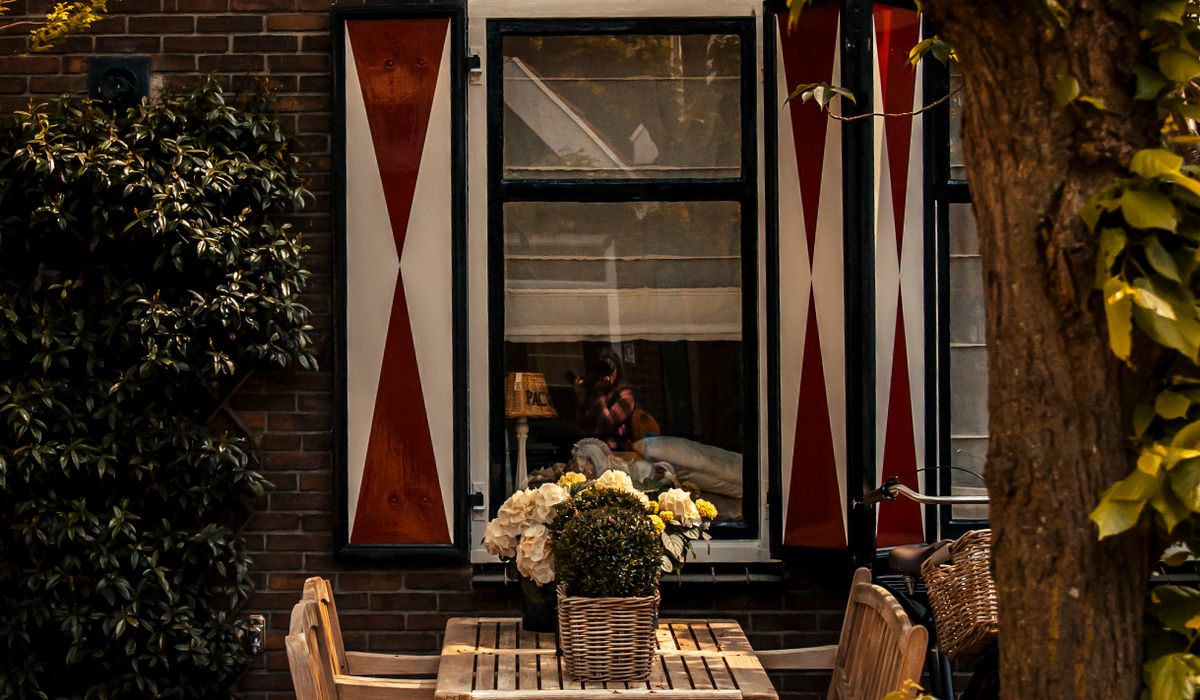
The Heart of a British Guest House
A full English breakfast is the meal guests remember. They may forget the colour of the towels or the brand of the tea, but they will absolutely remember whether the sausages were hot, the eggs were runny as requested, and whether the plate arrived looking generous or tired. The good news is that none of this depends on chef-level skill. It depends on order and timing.
Get the sequence right and you can serve six, eight or twelve covers from a domestic kitchen without ever feeling flustered. Get it wrong and you will be juggling cold bacon while your eggs sit drying under a lamp.
The Order of Play: A Working Timeline
Think of the grill, the oven and the hob as three workstations running in parallel. Nothing should be started because you feel like it; everything is started because it takes that long to cook. Here is a timeline that works for a typical service, assuming your oven is at 190°C fan or 200°C conventional.
- 0 minutes: Sausages into the oven on a lightly oiled tray. They need 20–25 minutes and should be turned once.
- 5 minutes: Halved tomatoes onto a second tray, cut side up, with a pinch of salt and a small pinch of sugar. These want 12–15 minutes.
- 10 minutes: Hash browns or black pudding into the oven, if you are serving them. Mushrooms into a hot pan with a knob of butter.
- 14 minutes: Bacon under a preheated grill, on a rack over a tray so the fat drips clear. Six to eight minutes, turned once.
- 20 minutes: Eggs go on, to order. Fried eggs take 2–3 minutes on a medium-low heat; poached eggs take about 3 minutes in gently simmering water with a splash of vinegar.
Eggs are always last. They are the only component that cannot wait, and they are the one guests judge first.
Getting Each Element Right
Good ingredients do most of the work, but technique protects them.
- Sausages: Oven-baking is far kinder than frying for volume. A good butcher's sausage needs nothing but heat and a turn. If you prick them, you lose the fat that keeps them juicy, so leave them alone.
- Bacon: Back bacon is the classic choice. Cooking it on a rack lets the fat render away and keeps the rashers crisp rather than steamed. If you prefer streaky, give it an extra minute.
- Mushrooms: Do not crowd the pan. A crowded pan steams rather than browns, and you end up with grey, watery mushrooms. Season at the end, never at the start, or they will release their liquid early.
- Tomatoes: Halved and roasted, they turn sweet and concentrated. A pinch of sugar balances the acidity beautifully and takes ten seconds.
- Eggs: Use a separate, clean pan for frying so the whites stay white. Butter gives flavour, a neutral oil gives neat edges; a little of each is the practical answer.
Keeping Everything Hot Without Panic
The enemy of a full English is the gap between cooking and serving. A few small habits close it.
Warm the plates properly — a 60°C oven for ten minutes, or a plate warmer if you have one. A cold plate steals heat from the food within a minute. If some items finish early, hold them in the oven at 70°C on a tray, uncovered so they stay crisp rather than sweating under foil.
Never hold fried or poached eggs. Plate everything else first, then add the eggs and send the plate out within ninety seconds. If you are serving a table of four, plate all four at once rather than sending them one by one — guests would rather wait two minutes together than eat in relays.
Catering for All Your Guests
Modern guests arrive with a wider range of requests than they did twenty years ago, and meeting them cheerfully is part of the job.
- Vegetarian: Keep a separate pan and separate tongs for vegetarian sausages, and cook them alongside the meat rather than after it.
- Gluten-free: Check your sausages and black pudding carefully; many contain rusk or barley. Keep a dedicated tray and be honest about what you can guarantee.
- Lighter appetites: Offer a smaller plate — one sausage, one rasher, one egg, tomato and mushroom — rather than expecting everyone to manage the full works. It reduces waste and guests appreciate the choice.
- Dietary notes: Take orders the night before and write them down. It saves the awkward breakfast-table interrogation and lets you prep accurately.
The Night-Before Routine
Most of the calm comes from what you do the evening before. Lay out your trays, check your egg supply, and set the oven shelves where you want them. Fill the kettle, grind the coffee, and put the butter out to soften if you are serving toast.
Write your order slips and read them once more before bed. Then, in the morning, work the timeline, keep your plates warm, and remember that generosity on the plate matters more than perfection. A hot, plentiful breakfast served with a genuine welcome will send your guests out smiling — and that is the whole point.






John Doe
14 January, 2022Having no content in post should have adverse..
Chauffina Carr
10 April, 2022We use these tests all time! Killer stuff!
Jim Séchen
16 July, 2022Thanks for all the comments, everyone!