

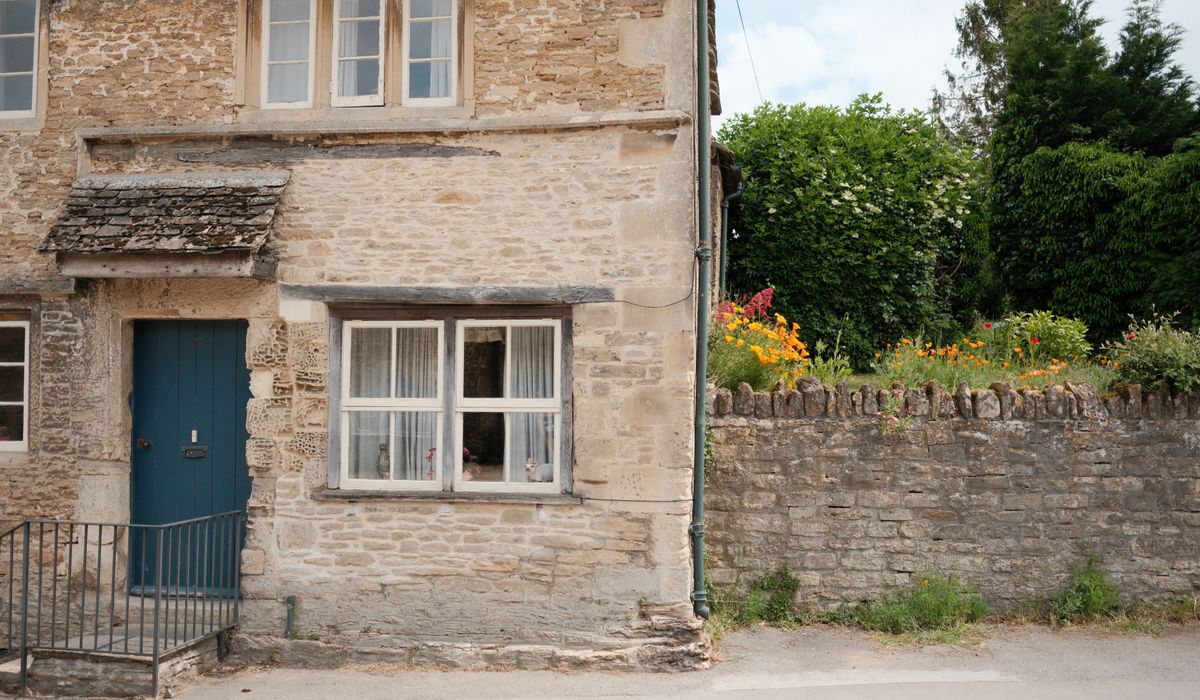
Arriving at a rural bed and breakfast without a car can feel like a small leap of faith. The lanes are narrow, the hedgerows are high, and the nearest bus stop may look like nothing more than a pole in a verge. But with a little local knowledge, you can explore the countryside, reach the nearest town and connect to the rail network without ever turning a key. This guide sets out the practical details we share with every guest: where to stand, when to wave, how long the walk really takes, and who to call if the weather turns.
Finding Your Feet at the Bus Stop
Our nearest stop is 180 yards down the lane, on the left just past the old milk stand. It is a request stop, which means the bus will only pull in if you put your arm out clearly. Stand where the driver can see you, especially in summer when the hedge grows tall. The timetable is pinned inside the porch, and we keep a laminated copy in every room.
Buses run roughly hourly Monday to Saturday, from about 07:20 until the last return at 18:42. On Sundays and bank holidays there are just three services each way, so check before you set out. The route serves the village shop, the market square and the railway station. A single journey to town takes around 18 minutes; the station is 12 minutes further on. Contactless cards are accepted, but drivers appreciate exact change if you have it. The bus shelter in the village has a bench and a real-time display, though mobile signal is patchy on the lane itself.
Rail Connections and the Station Run
The nearest station is four miles away in the market town. It sits on a branch line with regular services to the mainline, where you can pick up fast trains to the north, south and west. The station has a ticket machine, a small waiting room and step-free access to platform one. Staff are usually present until early afternoon, but outside those hours it is unstaffed, so buy online or at the machine before you travel.
You have three ways to reach the station. The same bus that stops at the end of our lane calls at the station approach; ask the driver to shout when you get there. A taxi takes about ten minutes. Or you can walk it in around an hour and twenty minutes along a waymarked footpath, though that is best saved for dry days and daylight. If you are catching an early train, tell us the night before and we can arrange a lift for a small charge, usually £8 each way. We do not run a taxi service, but we do like to get guests to their trains on time.
Taxis, Private Hires and That All-Important Number
Rural taxis are reliable but not plentiful. We keep a printed list of local firms in the welcome folder, and we strongly recommend booking returns in advance, especially for evening meals or theatre trips. A journey from the B&B to the station costs £10–£12; to the town centre, expect £18–£22. Fares are higher after 23:00 and on Sundays.
- Book ahead: ring at least two hours before you need a car, and 24 hours ahead for weekends.
- Give landmarks: many drivers know the lane by the red telephone box, not by postcode.
- Confirm the return: ask the driver for a card and a rough pickup time, then ring the office to lock it in.
- Station rank: there is a taxi rank outside the main entrance, but it can empty quickly after the last train.
If you are a group of four or more, ask for a people carrier when you book. It often costs little more than a standard car and saves splitting up.
Walking Times and Countryside Reality
Walking is the best way to see the area, but map distances can mislead. A field path that looks like ten minutes on paper can take twenty-five in wellies. Here are honest timings from our front gate:
- Village shop and post office: 15 minutes on the lane, no pavement but wide verges.
- The nearest pub: 25 minutes across two fields, with a stile and a short steep bank.
- The station: 1 hour 20 minutes via the riverside footpath, muddy after rain.
- The market square: 1 hour 45 minutes on foot, or 18 minutes by bus.
Bring a torch in winter, wear boots rather than trainers, and remember that the lane has no footway. Walk facing oncoming traffic and step into gateways on bends. In spring, the bluebell woods are worth the mud; in autumn, the leaf fall can hide slippery roots.
Buses, Bikes and Backup Plans
We keep two loan bikes in the barn, free for guests, with helmets and a pump. They are ideal for the four-mile run to the station, though the last hill back will wake you up. Buses are the simplest option for longer trips, but they stop early in the evening. If you miss the last bus, call a taxi rather than attempt the lane in the dark.
One final habit makes rural travel much easier: tell us your plans over breakfast. We can check the timetable, ring for a taxi, lend you a torch or suggest a shorter walking route. The countryside rewards a little preparation, and once you know the rhythm of the buses, the station run and the footpaths, you will find that a car is a convenience, not a necessity.





John Doe
14 January, 2022Having no content in post should have adverse..
Chauffina Carr
10 April, 2022We use these tests all time! Killer stuff!
Jim Séchen
16 July, 2022Thanks for all the comments, everyone!